
The Hidden Costs of “Cheap” Party Favors and Bulk Toys
Low per-unit prices can hide quality, delivery, and packaging risks. Use this total-cost checklist to evaluate bulk toys for events and resale.
1) The real price of “cheap” in party favors and bulk toys
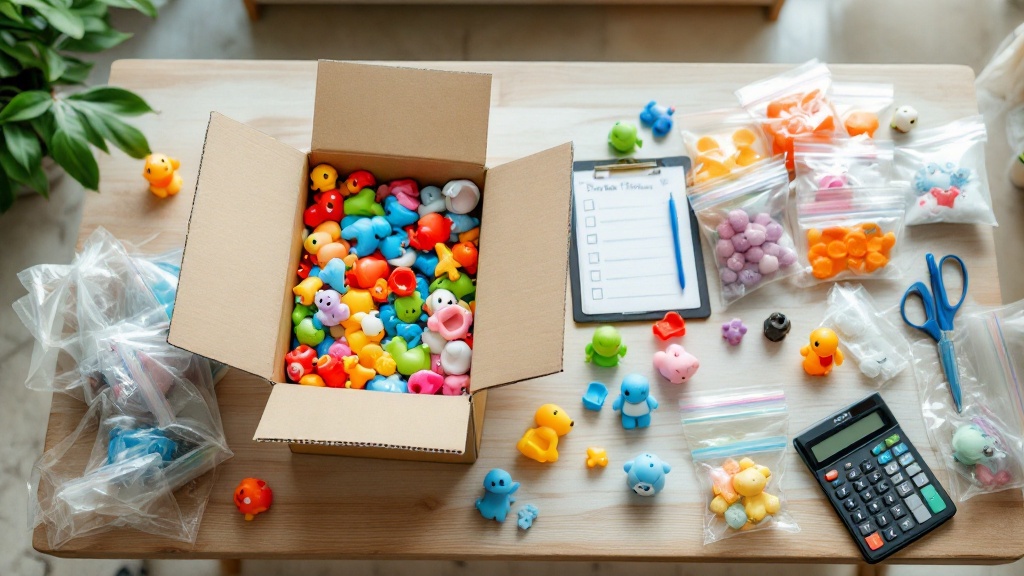
A $0.30 toy looks like a win—until you’re in the final week of an event and discover the hidden costs. In event-planning, the purchase price is only one line item. The rest shows up as time spent sorting, replacing, refunding, and reassuring guests or customers. For parents and gift-buyers, that can mean last-minute store runs; for small businesses, it can mean cancellations, chargebacks, or poor reviews.
Common issues in bulk-buying include inconsistent materials (rubber smell, off-color batches), missing pieces in multipacks, and unclear safety or labeling standards. Even when the products arrive, they may not be packaging-ready for party-favors—no individual bags, no gift tags, no consistent counts. The result is quiet but real risk-management work: counting each item, separating damaged units, and deciding whether to hand out “good enough” favors.
The takeaway: cheap isn’t cheap if it adds labor, uncertainty, and reputational risk. That’s why quality-control and fulfillment reliability matter as much as per-unit price.
2) A simple total-cost checklist for smarter bulk-buying
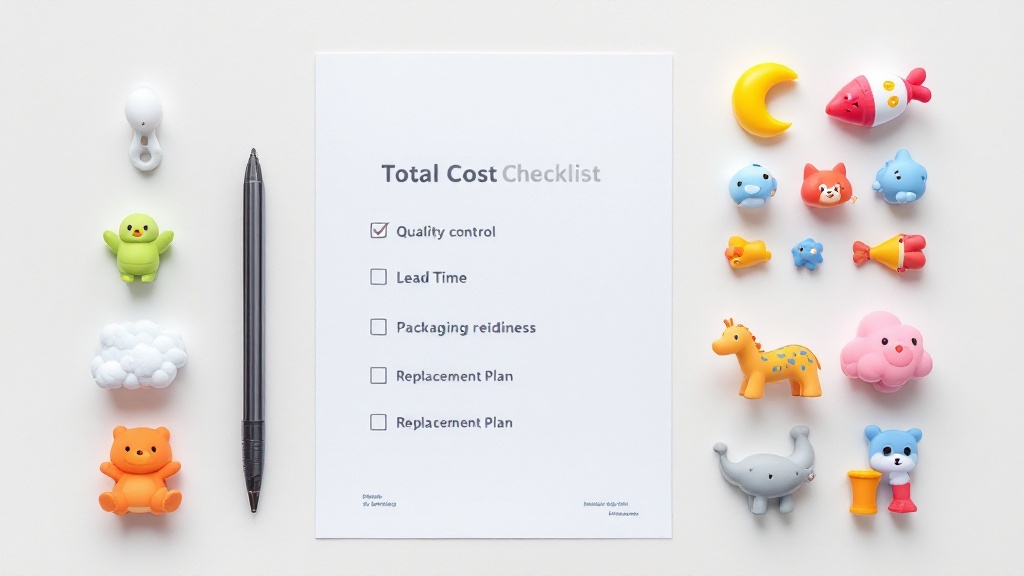
When comparing suppliers, treat every order like a mini supply chain. Start with quality-control questions: Are materials consistent across batches? Is there a stated defect allowance, and how are replacements handled? Ask whether packs are count-verified (e.g., 24 really means 24) and whether photos match current production. For collectors and resale-minded buyers, consistency in color, mold, and finish is part of the product—not a bonus.
Next, evaluate fulfillment as risk-management. Confirm lead times, carrier options, and whether tracking is consolidated. In event-planning, a “maybe” delivery date is a liability. Add contingency costs: expedited shipping, backup purchases, and the time to source replacements. A low price loses fast if you need to buy twice.
Finally, assess party-favors readiness. Are items individually wrapped or easy to bag? Do bundles include gift-ready packaging, labels, or theme-matched assortments? If you’re supplying a school event or small business, include labor: minutes per unit to sort, bag, and sticker. Total cost = unit price + defects + shipping risk + packaging labor + replacement plan.
3) How to reduce risk without losing your budget
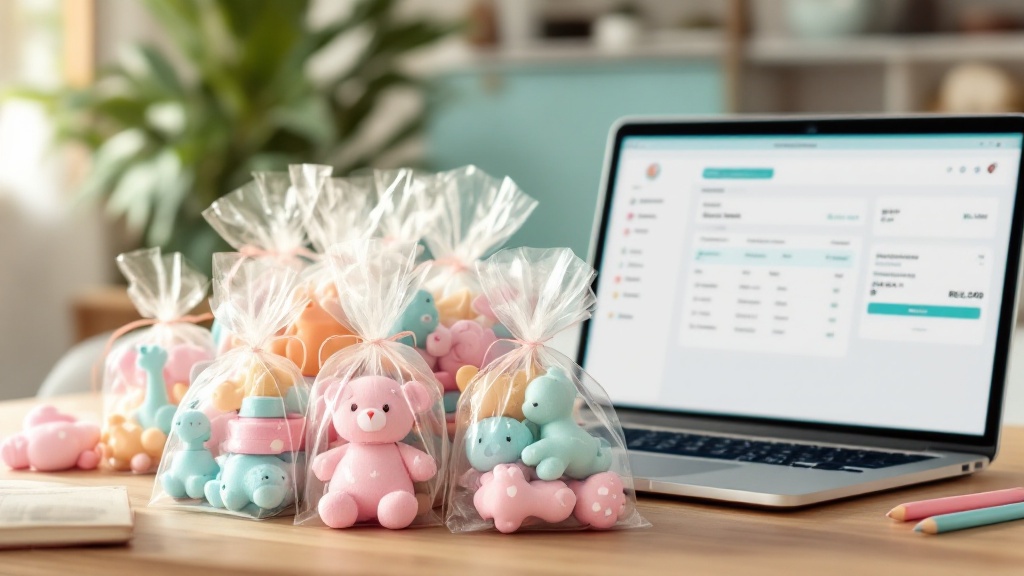
You don’t need premium pricing to avoid expensive surprises—you need predictable standards. For parents and gift-buyers, that can mean choosing curated bundles where counts are verified and themes are consistent, so you aren’t assembling party-favors from mismatched listings. For planners and small businesses, it means buying from a storefront designed for repeatable bulk-buying: clear tiers, reliable restocks, and fast reorders when the guest list grows.
Build a simple purchase policy: order early enough to absorb delays, buy a small test pack before committing to volume, and keep a documented checklist for quality-control (count, odor, visible defects, color match). If the event is mission-critical, price in a buffer—either a few extra units per pack or a backup theme that can ship quickly.
DuckFest Supply’s approach (single-category focus, searchable themes, and verified bundles) exists because these problems are routine in event-planning. When discovery, packaging readiness, and fulfillment are built into the shopping experience, you spend less time managing hidden costs—and more time delivering an event that feels intentional, not improvised.